
Elon Musk’s “Gut gemacht!” to Germany’s AfD after a big state win drew swift thanks from the party’s lead candidate, tying Big Tech’s loudest voice to Europe’s populist surge.
Story Highlights
- Elon Musk praised AfD’s state election win with “Gut gemacht!” on X, prompting a public thank-you.
- AfD lead candidate Ulrich Siegmund linked his thanks directly to the victory in Saxony-Anhalt.
- Reports placed AfD’s vote share near 44 percent, marking a major breakthrough in the state.
- The exchange reinforces how online megaphones can boost attention for populist parties.
Musk’s Post and AfD’s Public Thanks After State Win
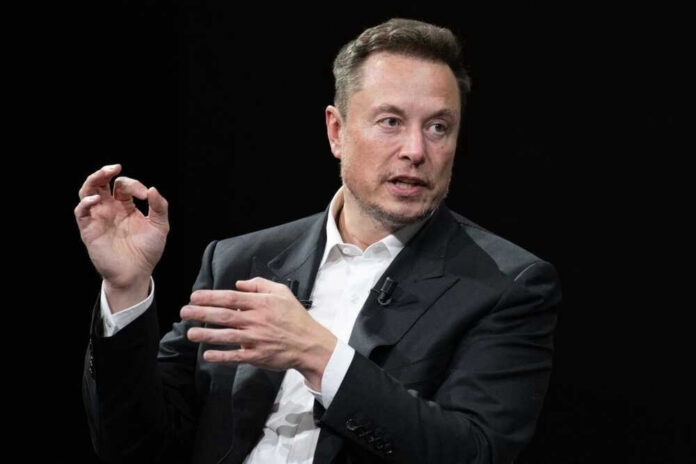
Elon Musk wrote “Gut gemacht!” in German on X after the Alternative for Germany party, known as AfD, won a state election in eastern Germany.
Ulrich Siegmund, the party’s lead candidate in Saxony-Anhalt, publicly thanked Musk and credited his message as “support” with a clear view on German politics.
Multiple outlets tied Siegmund’s post directly to the win, framing it as a same-day exchange that followed the results becoming clear. Coverage reported AfD’s haul near 44 percent, a striking total for the party.
Previous cycles showed similar contact between Musk and AfD leaders. In 2025, Alice Weidel said she missed a call from Musk, then later posted thanks after he congratulated the party’s performance.
That pattern, according to analysts, gave AfD more reach and attention online than its rivals enjoyed. The connection signaled to voters that establishment media were no longer gatekeepers for global voices who backed tougher borders and energy realism. That dynamic appears to have repeated in this state race.
Tech billionaire Elon Musk applauded the German far right's win in Saxony-Anhalt yesterday, a result that sent shockwaves through the country's political establishment and around Europe. https://t.co/6h1aSz03tK
— POLITICOEurope (@POLITICOEurope) September 7, 2026
Why This Resonates With U.S. Conservatives
Border control, energy policy, and national identity powered AfD’s growth in the east. Those themes match concerns many Americans share about illegal immigration, costly energy, and cultural overreach.
When a major tech leader praises a win built on those planks, it shows how voters are pushing back worldwide against open-border politics and heavy regulation.
Reports said this result is the strongest showing yet for AfD at the state level since the postwar era, heightening its significance beyond Germany.
Political elites in Europe have tried to isolate AfD through “firewall” pledges, where mainstream parties refuse to partner with them. Yet voters still delivered a decisive share.
The moment underscores a simple truth: when daily life gets more expensive and less safe, people demand change. Musk’s brief note did not cause the win, but it helped spotlight it and encouraged AfD’s base. The party then showcased the message as validation from a global figure.
The Social Media Attention Engine
German and international analyses have found that AfD benefits from online attention that turns controversy into reach.
Researchers say that high-profile boosts, including from Musk, tend to raise engagement, set the agenda, and rally supporters rather than flip large numbers of new voters outright.
Still, the attention effect matters. The public back-and-forth can frame the news cycle for days and force rivals to react on AfD’s terms, which can shape what topics dominate debate.
That is especially true on fast platforms where a short phrase can travel far. Musk’s “Gut gemacht!” was simple and shareable. AfD’s thank-you to Musk kept the clip moving across audiences far beyond Germany.
Analysts describe this as symbolic capital: it does not replace ground work, but it boosts morale, sharpens contrasts, and keeps supporters energized as parties fight for seats and coalition leverage.
Election Context and Reported Numbers
Reports consistently placed AfD’s vote share near 44 percent in Saxony-Anhalt, a level that turned a routine state race into a headline event. Outlets called the result “historic” and the closest the far right has come to running a state since World War Two.
That framing explains why a two-word post from a famous executive drew global pickup and quick thanks from the winning slate’s lead figure. The exchange occurred in direct sequence, tied to the election night timeline.
First Thing: German far-right leader thanks Elon Musk after landmark election win praised by Russia – The Guardian
Of course. Musk and far-right German politicians salute the same way. https://t.co/PidmZkLfUA
— Nicholas (@nikstift) September 8, 2026
One caveat is that most details about the social posts come through outlet reporting rather than archived links. Even so, the specific “Gut gemacht!” phrasing and Siegmund’s public thanks were reported across several independent newsrooms with aligned descriptions of what was said and when.
That cross-outlet agreement strengthens the core record of the exchange, which remains the point: a top tech voice saluted a border-first party’s big win, and the winners embraced it quickly.
What It Signals Going Forward
For American readers, the lesson is clear. Voters in advanced democracies are pushing for secure borders, cheaper energy, and leaders who answer to citizens, not global forums. When a popular platform owner amplifies those wins, it rattles the old guard.
Expect more pressure in Europe to police speech and label populist messages as dangerous. Expect more voters to tune out the noise and reward results that protect paychecks, families, and national sovereignty.
Sources:
thehill.com, theguardian.com, nytimes.com, yahoo.com, aljazeera.com