

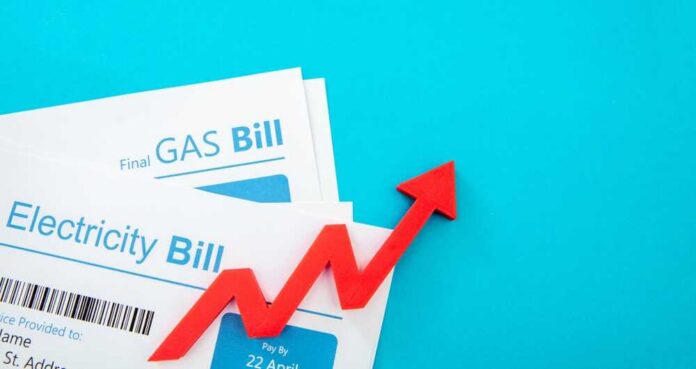
One in five Americans say they cut back on food to pay home energy bills, and that is the kind of trade-off that marks a deeper affordability crisis.
Story Snapshot
- Consumer Reports found widespread strain from electricity and heating costs.
- About one in five report skipping meals or trimming groceries to keep the lights on.
- Power shutoffs hit millions last year as arrears rose across the country.
- Research links heavy energy costs to higher risks of lasting poverty.
What the new survey says about heat-or-eat choices
Consumer Reports surveyed 2,146 adults nationwide in November 2025 and found that 68% said home-energy costs strained their budget. The survey focused on electricity and heating, which are not optional in any season. The sharp edge shows up in the pantry. Consumer Affairs summarized new polling that about one in five people, especially lower-income households, skipped meals or cut grocery lists to pay these bills. That is a trade-off families feel every single week at the checkout line.
🔴 1 in 5 Americans cut food spending to pay electricity bills, survey finds
About 20% of U.S. adults have reduced grocery purchases to afford electricity, while 25% lower heating or air conditioning to uncomfortable levels, according to a Consumer Reports survey of over 2,000… pic.twitter.com/pivjG0b5Fe
— NewsTongue (@NewsTongueX) October 21, 2026
These findings match a simple kitchen-table reality. Energy arrives as a monthly bill. Food prices hit every shopping trip. When both rise faster than paychecks, families juggle. Some pay late. Some run a balance. Some dim lights and lower thermostats. Too many eat less. This is not theory. It is a pattern across several data sources, and it lines up with what local charities and utility call centers hear every day.
The bigger picture: rising bills and real shutoffs
Consumer Reports has tracked climbing electricity costs and warned that regulators face pressure as utilities seek more rate hikes. The stress does not end with a scary envelope. When budgets snap, power can get cut. A recent national review estimated utilities disconnected service to about 4.2 million households last year. Disconnections do not happen in a vacuum. They are the end point of months of hard choices, late fees, and a stack of notices that push food and medicine to the back seat.
Even before a shutoff, many families change how they live. They delay car repairs, skip prescriptions, and shift grocery spending toward cheap, less healthy calories. Lending programs and relief funds help some people for a month or two. They do not fix the root problem: bills outrun income. When energy is the bill that must be paid to keep a fridge running and a house safe, food becomes the pressure valve. That is why the one-in-five figure hits so hard.
Why energy burdens pull households toward poverty
Academic research defines an “energy burden” as paying a large share of income for electricity and heating. Households with high energy burdens face a higher chance of falling into poverty or staying there over time, compared with similar households whose bills take a smaller slice of income. This mechanism is common sense. Every extra dollar to the meter is one less for groceries, rent, child care, or a small emergency fund. Over a year, that gap compounds and weakens a family’s resilience.
Government and university studies during and after the pandemic show the same coping pattern. When protections were in place to pause shutoffs, disconnections fell and fewer families had to forgo basics like food or medicine. When protections ended, shutoffs climbed again, and the old trade-offs returned. People act rationally when cornered: they pay the bill that prevents the lights from going dark, and they cut what they can, often food, first.
What aligns with common sense and conservative values
Personal responsibility works best when the rules are fair and costs are transparent. Families should not face surprise fees, hidden riders, or rate spikes rubber-stamped without hard scrutiny. Regulators should demand proof that every increase is tied to service, reliability, or needed upgrades, not padded overhead. Utilities must keep the grid strong and prices honest. Households deserve clear, simple rate plans and billing that rewards conservation rather than punishing it.
Lawmakers can target help without waste. Expand access to weatherization and efficient appliances that cut bills for years, not months. Enforce shutoff protections for medically fragile customers while holding utilities to service standards. Support more local generation where it lowers costs and boosts resilience. None of this replaces work and thrift. It gives families a fair shot to keep the fridge full and the lights on at the same time.
Sources:
consumerreports.org, cbsnews.com, kleinmanenergy.upenn.edu