
Hospitals serving Jell-O and sugary drinks to sick patients could soon lose federal funding under RFK Jr.’s aggressive push for real food recovery.
Story Snapshot
- CMS memo mandates hospitals cut ultra-processed foods, sugars, and refined carbs to align with Dietary Guidelines for Americans.
- Florida launches farm-to-hospital program connecting local producers directly to facilities like Nicklaus Children’s Hospital.
- Trump administration ties Medicare/Medicaid eligibility to compliance, pressuring nationwide change.
- Leaders RFK Jr. and Dr. Oz criticize current meals as nutrient-deficient afterthoughts harming recovery.
- Precedents like NYC’s plant-based defaults show cost savings and health gains from better nutrition.
CMS Memo Targets Hospital Junk Food
Centers for Medicare & Medicaid Services issued a memo on March 30, 2026, directing hospitals to align patient meals with the latest Dietary Guidelines for Americans.
The directive demands reductions in ultra-processed foods, sugar-sweetened beverages, refined carbohydrates, and added sugars.
CMS Administrator Dr. Mehmet Oz oversaw the release, calling hospital food an afterthought that fails patients.
Non-compliance risks Medicare and Medicaid eligibility, creating strong federal leverage. This move stems from the Make America Healthy Again movement.
RFK Jr. Announces Florida Program at Miami Hospital
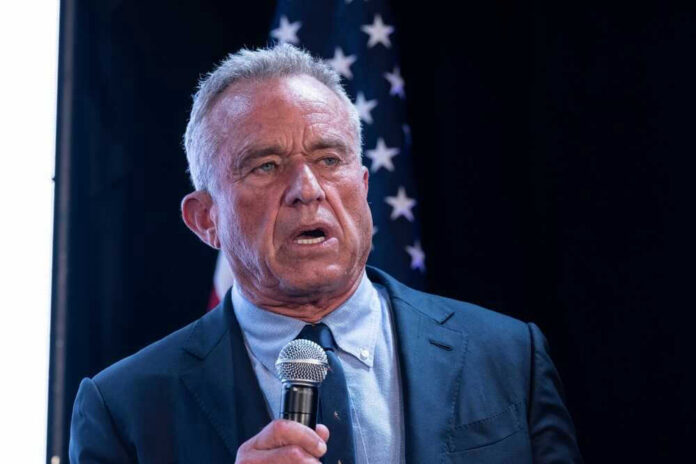
Robert F. Kennedy Jr., HHS Secretary, revealed the CMS memo during a March 30 press conference at Nicklaus Children’s Hospital in Miami.
As part of his Take Back Your Health tour, he condemned hospital staples like Jell-O, Cheerios, rubber chicken, and sugary drinks.
Nicklaus Children’s signed the first participation pledge, partnering with local farmers. Florida Agriculture Commissioner Wilton Simpson expanded the existing Farmers Feeding Florida program to hospitals, streamlining sourcing and training.
RFK Jr.'s healthy food agenda puts hospitals on notice about patients' mealshttps://t.co/Gqu0QtquMB
— Sean Spicer (@seanspicer) April 30, 2026
Stakeholders Align on Real Food Incentives
RFK Jr. leads the charge, arguing hospitals need incentives to prioritize nutrition over cheap, shelf-stable options.
Dr. Oz echoes this, noting that meals high in sugar, sodium, and refined carbs lack fresh produce and quality proteins. Florida’s Department of Agriculture provides workforce training and procurement support.
The American Hospital Association acknowledges the role of nutrition and plans to review the guidelines. Hospitals balance operations with funding pressures from federal mandates.
Power dynamics favor the Trump administration, using Medicare leverage to drive change. Voluntary leaders like Nicklaus position themselves ahead, while procurement firms face demands for adaptation from RFK Jr.
Impacts Promise Better Recovery and Local Boosts
Short-term shifts demand menu overhauls toward whole grains, vegetables, fruits, legumes, nuts, seeds, seafood, and healthy fats. Hospitals anticipate procurement changes and potential funding risks.
In the long term, patients achieve improved recovery rates and reduced chronic disease burdens on healthcare.
Local farmers secure new markets, especially in Florida, stimulating agricultural economies. Medicare and Medicaid beneficiaries benefit most directly from nutrient-dense meals.
Socially, the initiative advances Food as Health principles under MAHA. Politically, it bolsters the Trump agenda, though the memo’s plant-protein focus tempers general DGA endorsements of red meat and whole milk—a pragmatic adaptation that facts support over rigid ideology.
Sources:
RFK Jr. calls for healthier hospital meals and announces launch of Florida farm-to-hospital program
RFK Jr. hospitals dietary guidelines for Americans Medicare Medicaid funding
RFK Jr. takes push to get junk food out of hospitals to Florida
Hospital food under fire as experts warn meals harming America’s sickest patients