
American homeowners are losing their properties at rates not seen since the pandemic’s darkest days, squeezed by a perfect storm of costs that would make even the financially savvy sweat.
Story Snapshot
- Foreclosure activity surged to 118,727 properties in Q1 2026, up 26% year-over-year and the highest quarterly total since 2020
- Southern cities, including Lakeland and Punta Gorda, Florida, lead the nation in foreclosure rates, with South Carolina, Indiana, and Illinois also heavily impacted
- Multiple cost pressures converge: mortgage rates above 6% since September 2022, inflation exceeding Fed targets for five consecutive years, and skyrocketing insurance and property taxes
- March 2026 saw 45,921 foreclosure filings, representing one in every 3,131 housing units nationwide
- Real estate owned properties jumped 42% year-over-year, signaling lenders are increasingly taking back homes
The Numbers Tell a Troubling Story
The first quarter of 2026 delivered a gut punch to the American housing market. ATTOM Data Solutions reported that foreclosure filings hit levels not seen since the pandemic shutdown economy of 2020. March alone witnessed 45,921 filings, up 28% from the previous year and 18% from February.
Foreclosure starts climbed 21% year-over-year to 30,334 properties, while banks repossessed 5,229 homes, representing a staggering 42% increase. The national foreclosure rate now stands at one in every 3,131 housing units, a dramatic shift from the one in 3,701 rate just a month earlier in February.
Southern States Bear the Brunt
Geography tells a stark tale in this crisis. Florida cities dominate the distress list, with Lakeland and Punta Gorda leading among metropolitan areas with populations exceeding 200,000.
Columbia, South Carolina, Fayetteville, North Carolina, and Macon, Georgia, round out the top five hardest-hit cities. South Carolina, Indiana, Florida, Illinois, and New Jersey claim the dubious distinction of highest state foreclosure rates.
This regional concentration differs markedly from 2022 patterns when New Jersey, Illinois, and Ohio led the pack, suggesting the crisis has migrated as economic pressures shifted southward.
U.S. foreclosures have jumped 26% since last quarter as they reach the highest quarterly total since 2020. pic.twitter.com/svrNC6Qyfa
— National Chronicle (@NCNewsOnX) May 5, 2026
The Backlog Unleashed
Pandemic-era forbearance programs created an artificial dam that held back foreclosures for five years. Those protections expired, unleashing a torrent of delayed proceedings. Before 2020, mortgage rates remained below 6% for approximately 13 years, providing stability for homeowners who stretched to buy.
When rates crossed that threshold in September 2022 and stayed elevated through 2026, monthly payments became unmanageable for families already wrestling with inflation that exceeded the Federal Reserve’s 2% target for more than five years.
Rob Barber, ATTOM’s CEO, attributes the surge to this multi-layered cost squeeze affecting mortgages, insurance premiums, property taxes, and basic living expenses simultaneously.
More Than Just Interest Rates
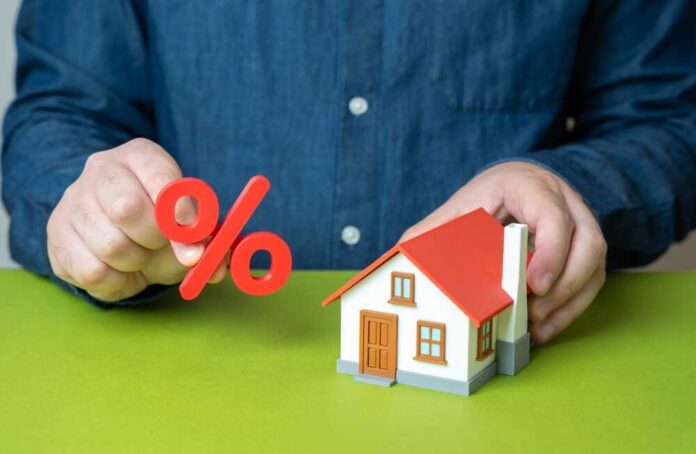
Mortgage rates exceeding 6% represent only one blade in a financial paper cutter slicing household budgets. Home prices hover near historic highs according to Federal Reserve data, trapping homeowners between unaffordable current properties and inaccessible alternatives.
Property insurance costs have exploded, particularly in hurricane-prone states like Florida, where coverage can cost thousands annually if available at all.
Property taxes climbed in tandem with inflated home valuations, creating bills that shock longtime residents who purchased when values were reasonable.
This convergence creates a fundamentally different crisis than 2008’s subprime mortgage collapse, where lending practices drove defaults rather than relentless cost escalation.
Economic Fear Exceeds Historical Benchmarks
Consumer financial anxiety now surpasses levels recorded during the 2008 Great Recession, according to research accompanying the foreclosure data.
That comparison matters because 2008 foreclosure volumes dwarfed current figures, yet today’s psychological impact weighs more heavily on American households. The difference lies in expectations.
The 2008 crisis resulted from reckless lending and speculative excess that many saw coming. Today’s squeeze punishes responsible homeowners who played by the rules, purchased, and suddenly find themselves drowning in costs beyond their control. Industry analyst Schmidt predicts this foreclosure rush will continue through 2028 as the backlog clears and economic pressures persist.
🇺🇸 Foreclosures hit highest level in 6 years as insurance, property tax costs squeeze homeowners.https://t.co/4KuSFdL3d5
— Jack Hoogland (@jack_hoogland) May 5, 2026
The housing market faces a reckoning born not from speculation or fraud but from compounding costs that government policy failed to contain. Inflation above target for five consecutive years represents monetary policy failure.
Skyrocketing insurance stems from climate risks insurers refuse to absorb and regulatory environments that drive carriers from entire states. Property tax increases follow local government spending unconstrained by taxpayer capacity.
Each factor alone might prove manageable, but their convergence creates a genuine crisis for Americans who simply want to keep the homes they worked to afford.
The question becomes whether policymakers will address root causes or simply watch as investors scoop up foreclosed properties, converting owner-occupied neighborhoods into rental markets controlled by distant corporations.
Sources:
Foreclosure rates climb to six-year highs as cities in one region hit hardest
Foreclosure Rates for 50 States
What Are The 10 States With The Highest Foreclosure Rates?