
The Trump administration’s latest policy marks a bold step in counterterrorism, designating three Muslim Brotherhood chapters as terrorist organizations.
Story Highlights
- President Trump officially designated three Muslim Brotherhood branches as terrorist entities.
- The Lebanese branch received the most restrictive designation as a Foreign Terrorist Organization.
- The move aligns U.S. policy with countries like Egypt and Saudi Arabia.
- Potential diplomatic strains with allies such as Qatar and Turkey.
Trump’s Targeted Counterterrorism Strategy
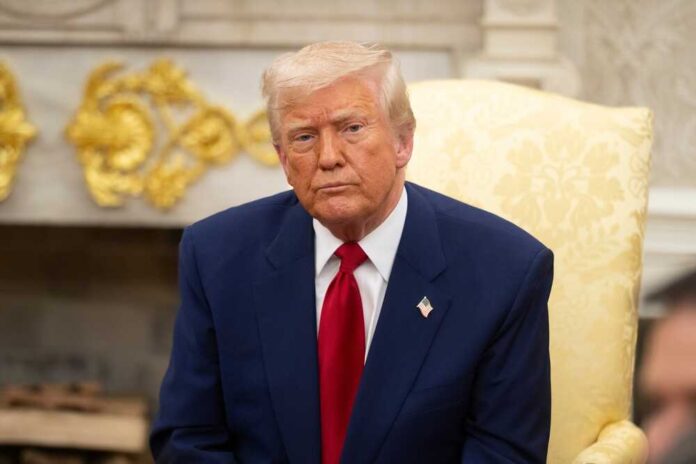
In a decisive policy shift, President Donald Trump has designated the Lebanese, Jordanian, and Egyptian chapters of the Muslim Brotherhood as terrorist organizations. Utilizing executive power, these designations signal a more aggressive U.S. approach to counterterrorism, selectively targeting specific branches based on threat assessments.
This strategy diverges from the previous administration’s stance and aligns with regional powers like Egypt and Saudi Arabia, which have similarly classified the Muslim Brotherhood.
The Lebanese branch now holds the most severe designation as a Foreign Terrorist Organization (FTO), imposing criminal penalties on those providing support. The Egyptian and Jordanian chapters are designated as Specially Designated Global Terrorists (SDGT), effectively cutting them off from the global banking system.
These actions reflect a nuanced approach, aiming to curb terrorism without alienating moderate political entities associated with the Brotherhood.
Trump administration designates 3 Muslim Brotherhood branches as terror groups https://t.co/4dnpcuMQ3Z
— The Hill (@thehill) January 14, 2026
Political and Diplomatic Ramifications
While the designations align with the security measures of regional allies, they introduce potential diplomatic tensions with countries like Qatar and Turkey, which have historically supported or tolerated the Brotherhood.
The U.S. administration must navigate these complexities while maintaining its commitment to counterterrorism. Supporters, including Sen. Ted Cruz, view the move as critical to national security, emphasizing the Brotherhood’s alleged role in supporting jihadist activities globally.
However, national security experts caution against blanket designations, warning they could unintentionally radicalize moderate members and detract resources from combating more violent groups like ISIS and al-Qaeda.
This targeted approach attempts to balance these concerns by focusing on branches with documented terrorist activities, such as the Lebanese chapter’s alleged rocket attacks on Israel.
Implementation and Enforcement Outlook
The effectiveness of these designations will depend heavily on enforcement. The Trump administration has pledged to use all available tools to deprive the Brotherhood branches of resources needed to support terrorism.
Legal implications include potential prosecution for material support, financial sanctions, and broader international cooperation in counterterrorism efforts. The administration’s resolve in implementing these designations will be pivotal in achieving its intended security outcomes.
The move has been met with praise from conservative think tanks, which view it as a necessary step to protect American interests and those of its allies. As the policy unfolds, the administration will need to address the diplomatic challenges posed by these designations while ensuring they effectively deter terrorist activities.
Sources:
Trump Administration Designates Muslim Brotherhood Branches as Terrorist Organizations
Stefanik on Supporting President Trump Designating Muslim Brotherhood a Terrorist Organization